Tuesday, October 20, 2015

एक अभागी कौआ

उस दिन सुबह रोज कि तरह में घर से नीकलकर कॉलेज के लिए जा रहा था। वैसे तो कॉलेज को जाने के लिए एक पक्की सडक बनवाई गयी है लेकीन सडक की इतनी दुर्दशा है की पता नही हर साँस के साथ कितनी धूल और मिट्टी फेफडौं में चली जाती है। इसलिए में सदैव ही दूसरे रास्ते से जाता हूं। पूना में होते हुए भी वह दुसरा रास्ता खेतो और बहूत सारे फार्म हाऊसेस से गुजरता है। साधारण पाँच किलोमीटर पैदल चलने के बाद मै कॉलेज पहूचता हूं। उस दिन भी रोज की हि तरह में उस रास्ते से गुथर रहा था तभी अचानक मेरी नजर रास्ते के किनारे खडे खंबे पे गई और मेरा मन दुख से भर गया। एक अभागी कौऐ की लाश वायर से लटक रही थी। उस दिन मनुष्य के आधूनिक विज्ञान के करिष्मे के कारण एक और जान चली गयी।


यह केवल एक ही उदाहरण नही है, और भी अनगिनत उदाहरण है जहाँ पर पशु पक्षीयौं को अपनी जान से हात गवाना पडा है। गाव में बिजली के खंबो से कितने ही बंदरो की जान गयी है। पता नही हम मनुष्य कब ये समझेंगे की यह धरती हम अकेले मनूष्य की नही है। हमे सबका ध्यान और संतुलन बनाना चाहिए। यह सभी पेड पौधे पंछी हमारे सहयोगी तथा मित्र है। इस धरती पर सभी को जीने का समान अधिकार है परंतू हमारे कारण पता नहि ऐसे कितने ही जीवों की जान चली जाती है। मुझे लगता है की सभी बिजली की तारें भुमिगत होनी चाहिए कि जीससे किसी भी तरह का खतरा नहि हो सकता। पता नहि हमारे भारत देश ने अलग से पर्यावरण मंत्रालय क्युं बनवाया है। शायद उन्हे यह पता नहि कि पर्यावरण का मुलभूत अर्थ ही है "सभी जीव"। यह मंत्रालय शायद सिर्फ प्रदुषण और अपारंपारिक उर्जा स्तोत्रों पे ध्यान देता है।
अब उस बेचारे कौऐ की क्या गलती थी? उसका भी एक परिवार होगा, माँ, पिताजी, पत्नी और बच्चे होंगे। लेकीन बिजली कि खुली वायरों ने उसकी जान ले ली। चलो अब यही उम्मीद करते है कि एक दिन यह परिस्थिती बदल जाऐगी।

Baby pigeon in my house

From couple of days, I am waiting for one thing to be happen. I have one bedroom which is not in use so nobody is going there. From few days ago one pigeon couple built a nest on the loft. Unfortunately their egg fall down and could not survive. After around 2 months, today I climb up on the window and see the nest which shocks me as there are 2 medium sized baby birds seating in side the nest. I don't know when that pigeon laid eggs and when the baby pigeons born. Now I am so happy that I can't express my feelings right now. So here are the few clicks of the baby, hope you love them.


Sunday, October 18, 2015

someone laid eggs on my lens

In the afternoon I was laying on the bed, I kept my spectacles aside for a while and doing some work on my laptop. After 15 minutes I pick up the spectacles and I saw some dirty thing on the lens. But before cleaning it I observe it carefully and surprisingly I saw one amazing thing. Someone laid eggs on my lens.


Very small around 25 - 30 eggs are there, yellowish in color and covered with some substance. I have taken the photographs from the back side of the lens. Don't know which insect laid eggs in just 15 minutes of time, the insect looks to be in much hurry. Now I will try to collect those eggs safely and will watch the future progress of them.

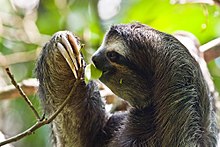
THE SLOTH


Sloths are medium-sized mammals belonging to the families Megalonychidae (two-toed sloth) and Bradypodidae (three-toed sloth), classified into six species. Extant sloths are arboreal (tree-dwelling) residents of the jungles of Central and South America, and are known for being slow-moving and hence named "sloths". Extinct sloth species include a few species of aquatic sloths and many ground sloths. Sloths are classified as folivores, as the bulk of their diets consist of buds, tender shoots, and leaves, mainly of Cecropia trees. Some two-toed sloths have been documented as eating insects, small reptiles, and birds as a small supplement to their diets. Linnaeus's two-toed sloth has recently been documented eating human faeces from open latrines. They have made extraordinary adaptations to an arboreal browsing lifestyle. Leaves, their main food source, provide very little energy or nutrients, and do not digest easily. Sloths, therefore, have large, specialized, slow-acting stomachs with multiple compartments in which symbiotic bacteria break down the tough leaves. Sloths' tongues have the unique ability to protrude from their mouths 10 to 12 inches, an ability that is useful for collecting leaves just out of reach. As much as two-thirds of a well-fed sloth's body weight consists of the contents of its stomach, and the digestive process can take a month or more to complete.

Sloths make a good habitat for other organisms, and a single sloth may be home to moths, beetles, cockroaches, ciliates, fungi, and algae. Although unable to survive outside the tropical rainforests of South and Central America, within that environment sloths are outstandingly successful creatures. Sloths' claws serve as their only natural defense. A cornered sloth may swipe at its attackers in an effort to scare them away or wound them. Despite sloths' apparent defenselessness, predators do not pose special problems: sloths blend in with the trees and, moving only slowly, do not attract attention. Only during their infrequent visits to ground level do they become vulnerable. The main predators of sloths are the jaguar, the harpy eagle, and humans. The majority of recorded sloth deaths in Costa Rica are due to contact with electrical lines and poachers. Their claws also provide a further unexpected deterrent to human hunters; when hanging upside-down in a tree, they are held in place by the claws themselves and often do not fall down even if shot from below.


10 Most Rare and Ugly animals in the world

The most famous on top"The Sloth"


Aye-Aye


Balaeniceps


Blobfish


Naked mole rat 


Rat 


Sphynx 


Star nose rat


Tarsier 


Warthog